Greenhouses and more
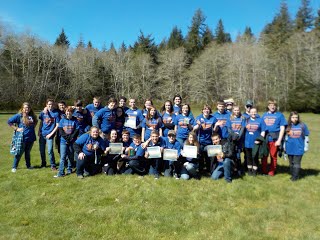
Thanks to the dedication of a few passionate teachers and many public agencies the CASEE campus is a shining light for STEM education in Southwest Washington!
Greenhouses
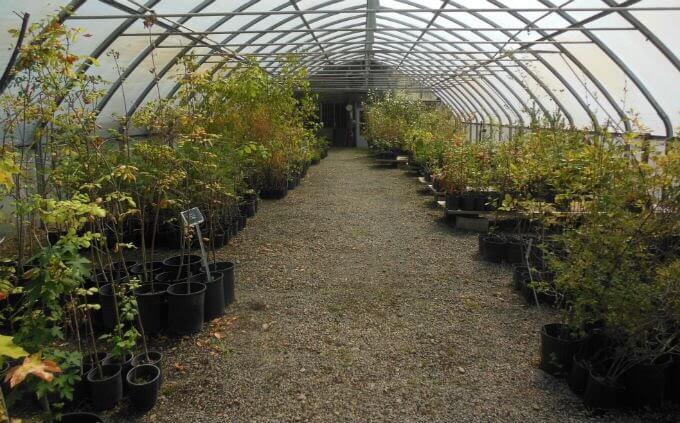
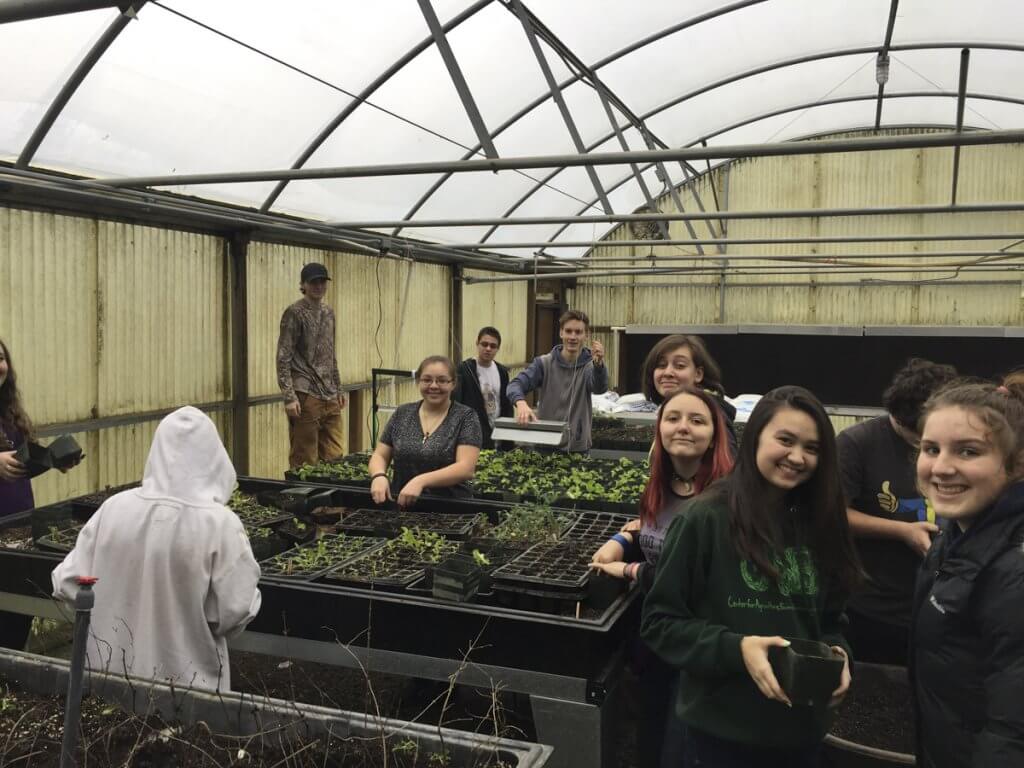
The CASEE Campus includes two greenhouses with heating and water systems allowing students to grow plants year round. Greenhouse activities include native plant propagation, growth condition experiments, bareroot plant potting and vegetable seed starting for the organic garden.
CASEE students maintain their own native plant stock for restoration work and inventory for a plant sale fundraiser every spring.
CASEE Creek
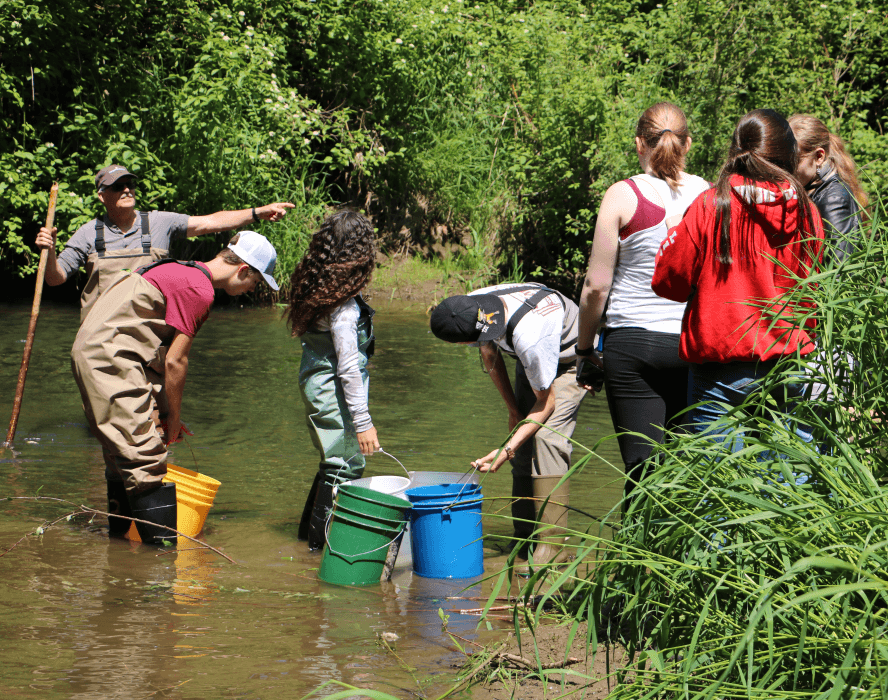
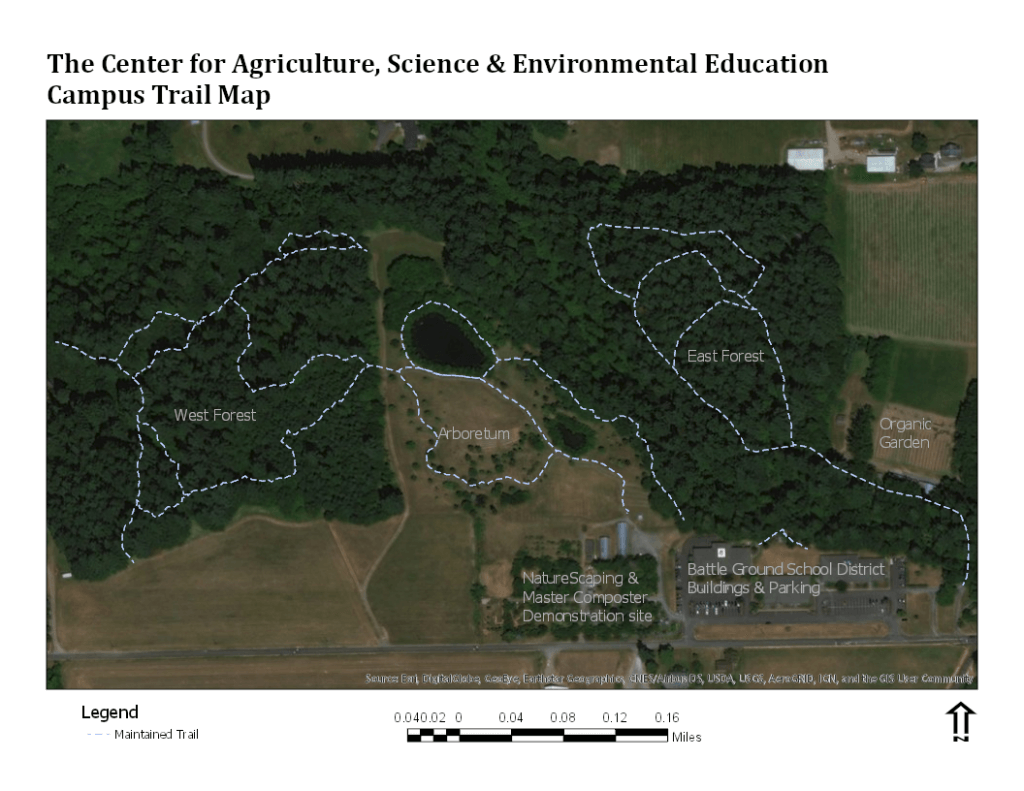
The CASEE Campus is separated into the East and West sides by a ravine containing the CASEE Creek. The creek begins as a seep at the southeast corner of campus and runs all the way to Salmon Creek at the northwest corner. Students conduct water quality analysis and wildlife camera studies along CASEE Creek.
Ponds
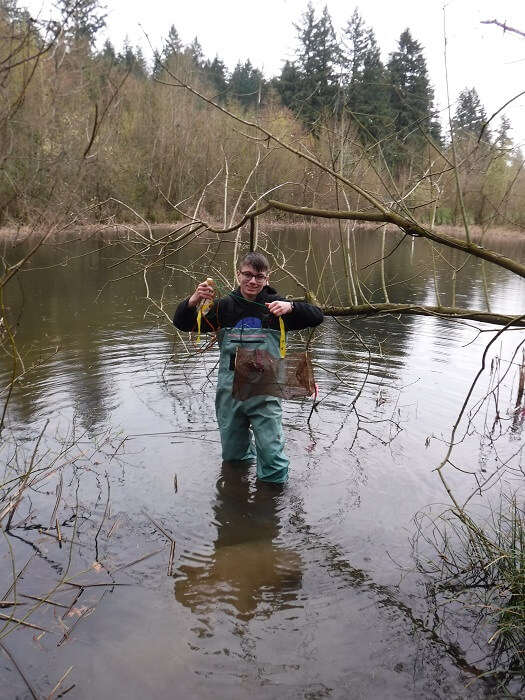
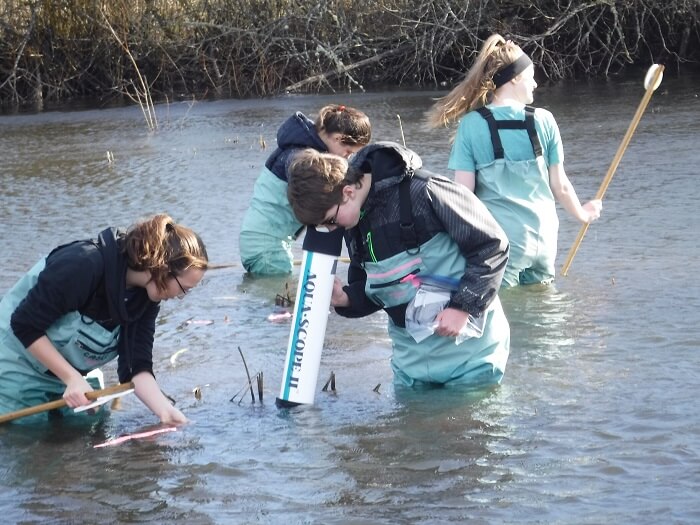
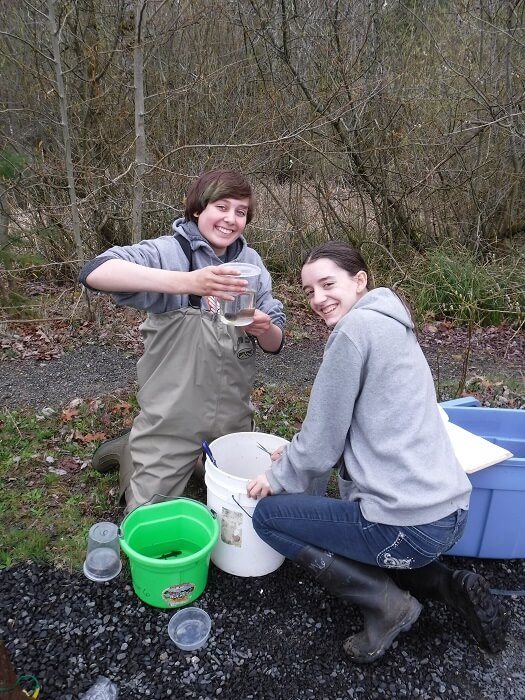
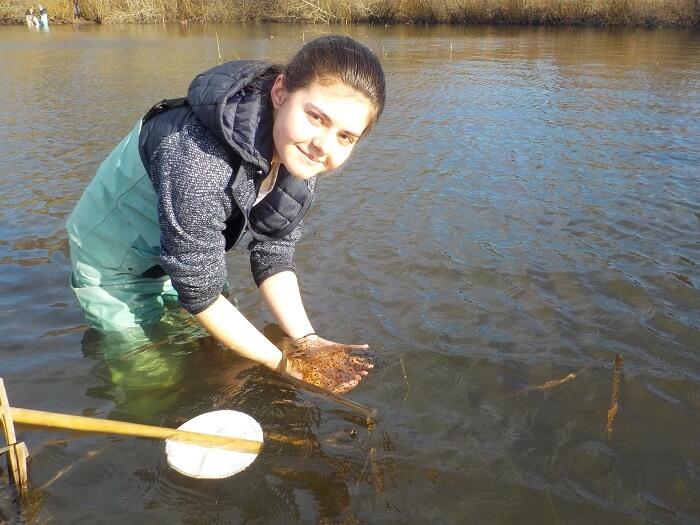
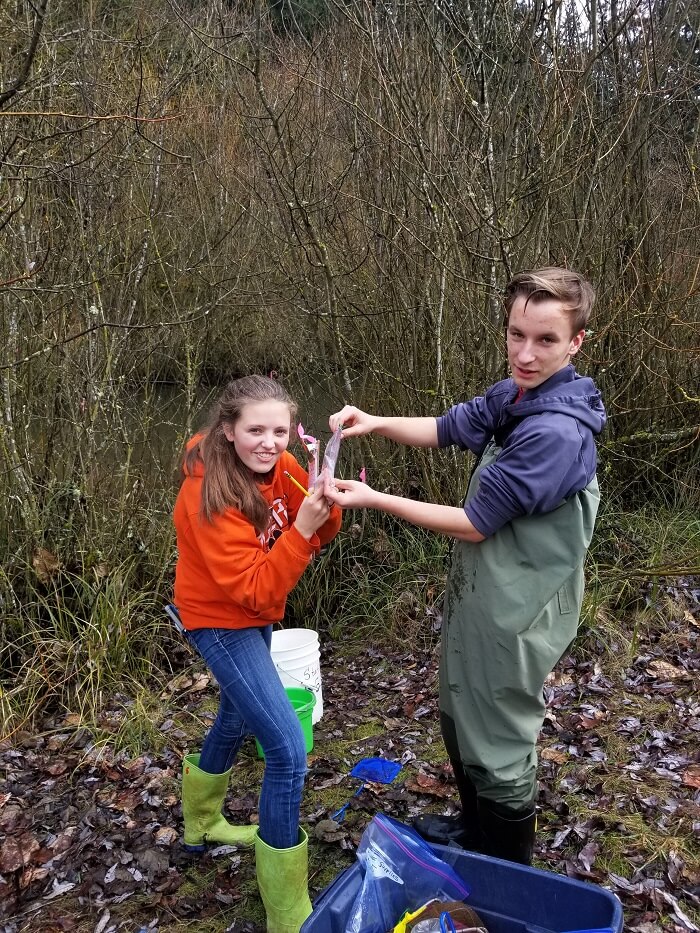
There are two man-made CASEE ponds on the site that are used by students; the Large Pond and the Small Pond. The ponds are accessible from the gravel path adjacent to the CASEE greenhouses. Both the Large and Small Ponds are utilized for amphibian egg mass surveys by the Biology (freshman) classes and amphibian population surveys by the Environmental Science (sophomore) classes. The ponds are habitats for salamanders, frogs, macro-invertebrates, birds and mammals on the CASEE campus.
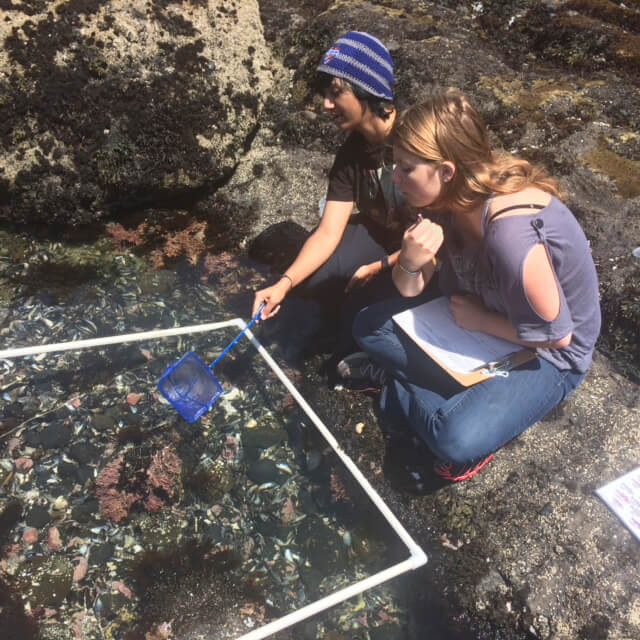
Students conducting water quality analysis at CASEE pond.
CASEE Forests and Trails
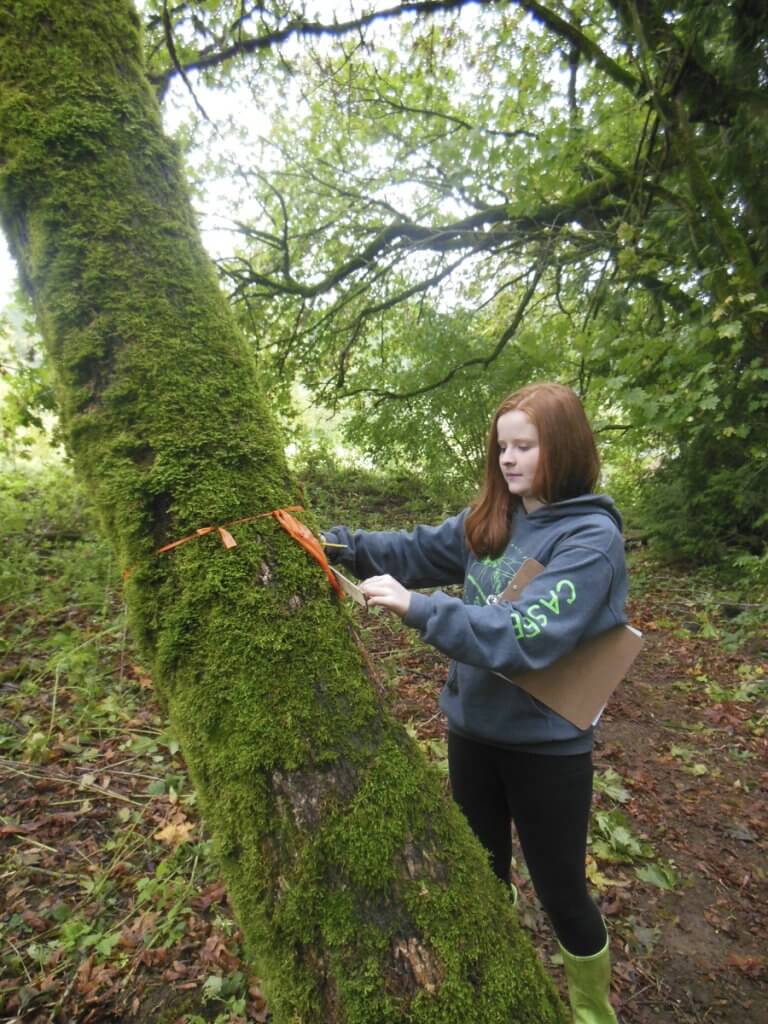
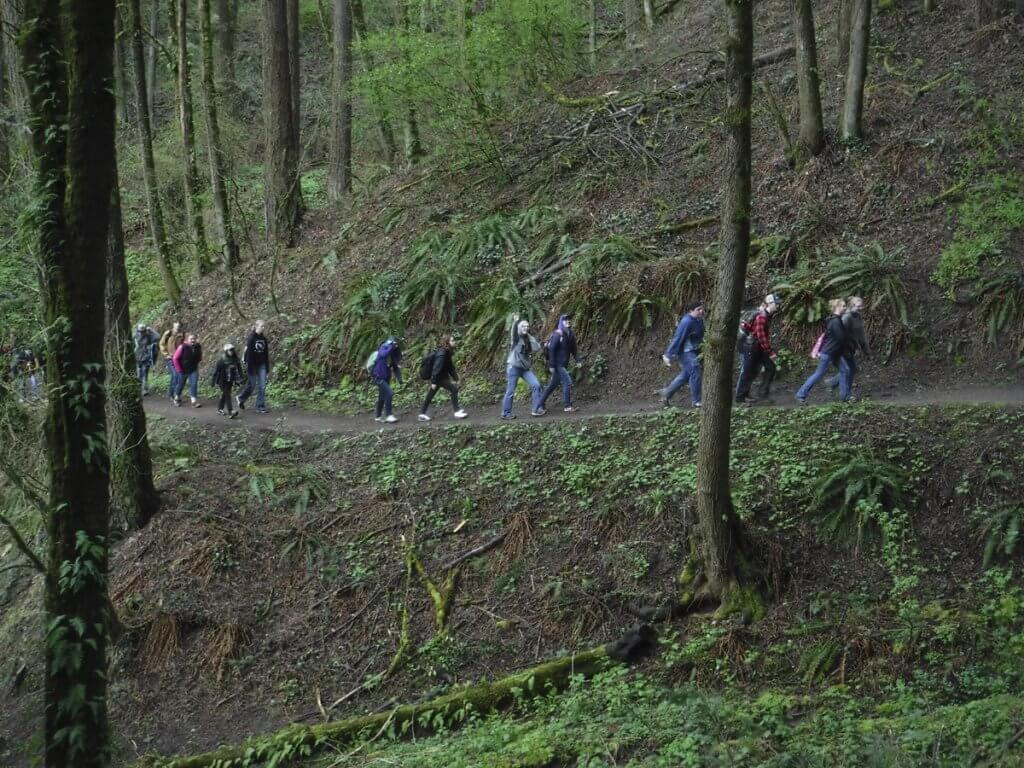
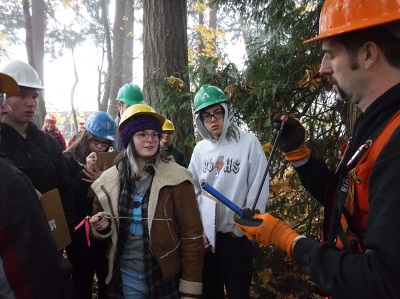
The East Forest includes three loop trails through an old growth forest, which hosts trees that are hundreds of years old. The East Forest is studied by each class at CASEE to varying degrees.
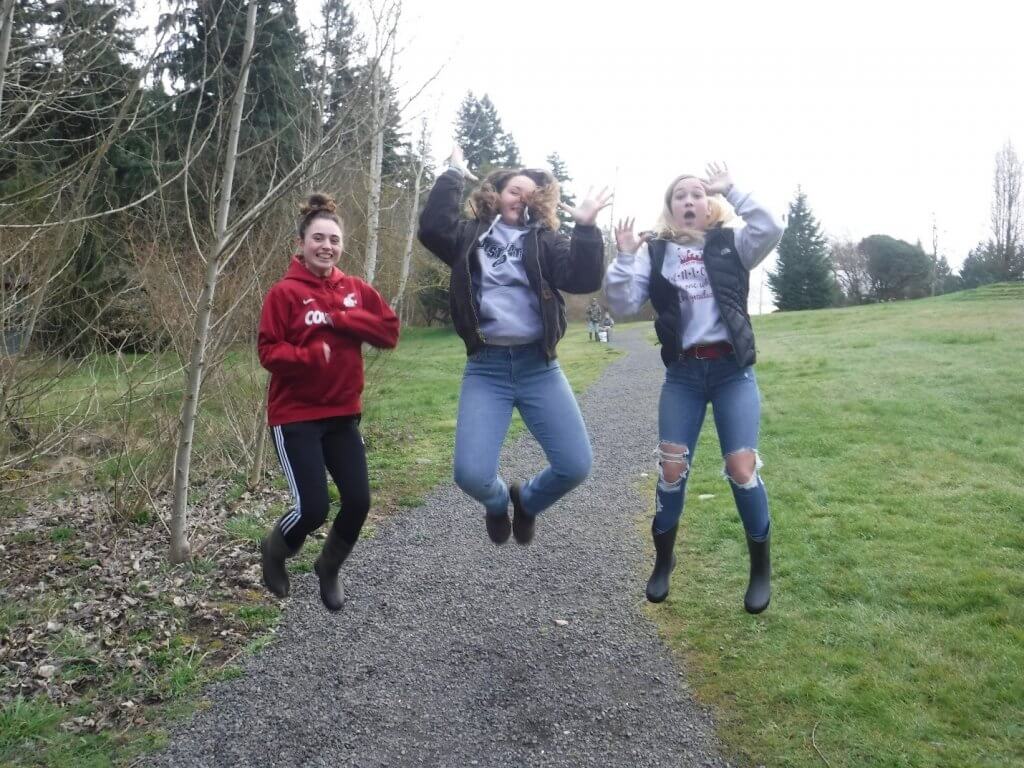
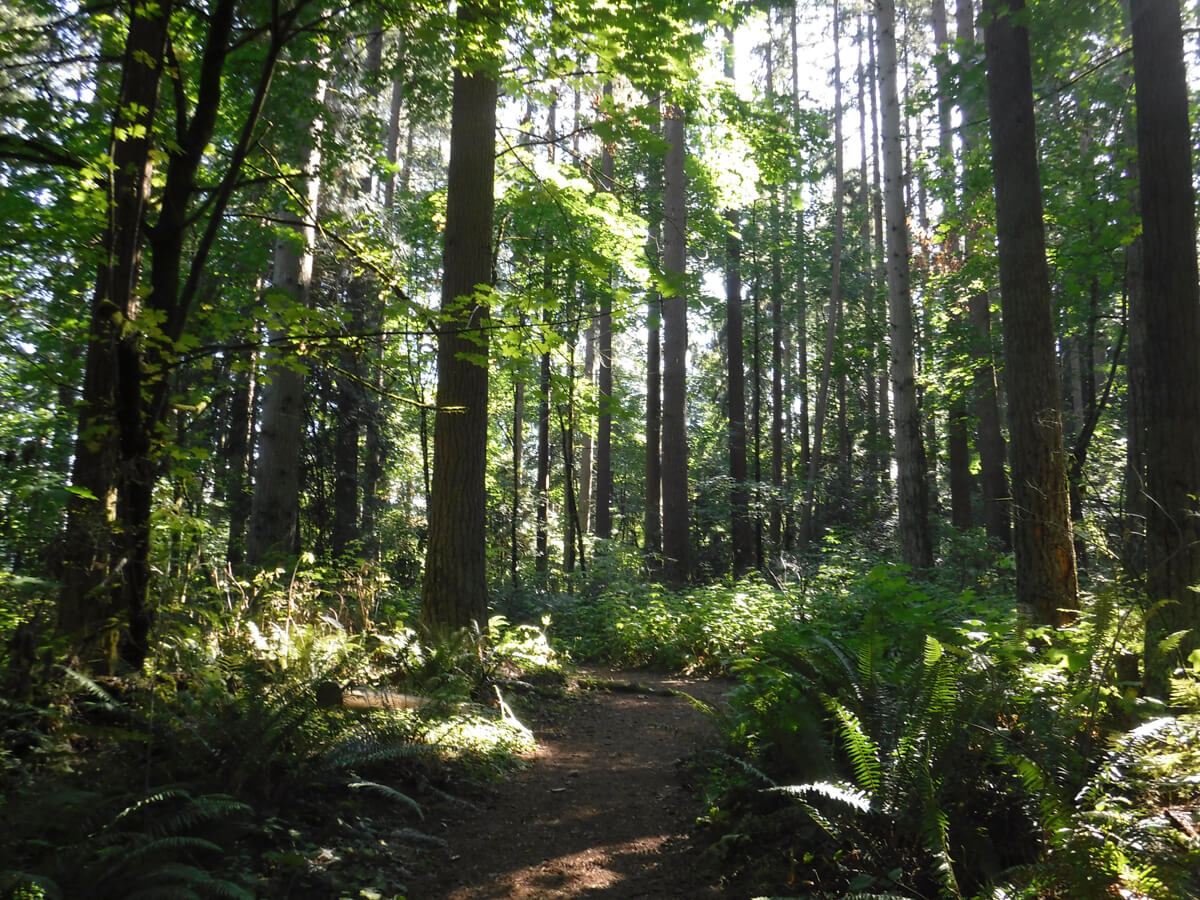
The West Forest consists of several trails that travel through sections of the forest that were logged at different points in time. The southeast section of the West Forest was logged and replanted in 1996, the northeast section is called the Wildlife Cut and was logged in 2001, and the portions farther to the west have not been logged recently. This allows students to observe the forest ecosystem at different stages of succession.
Arboretum
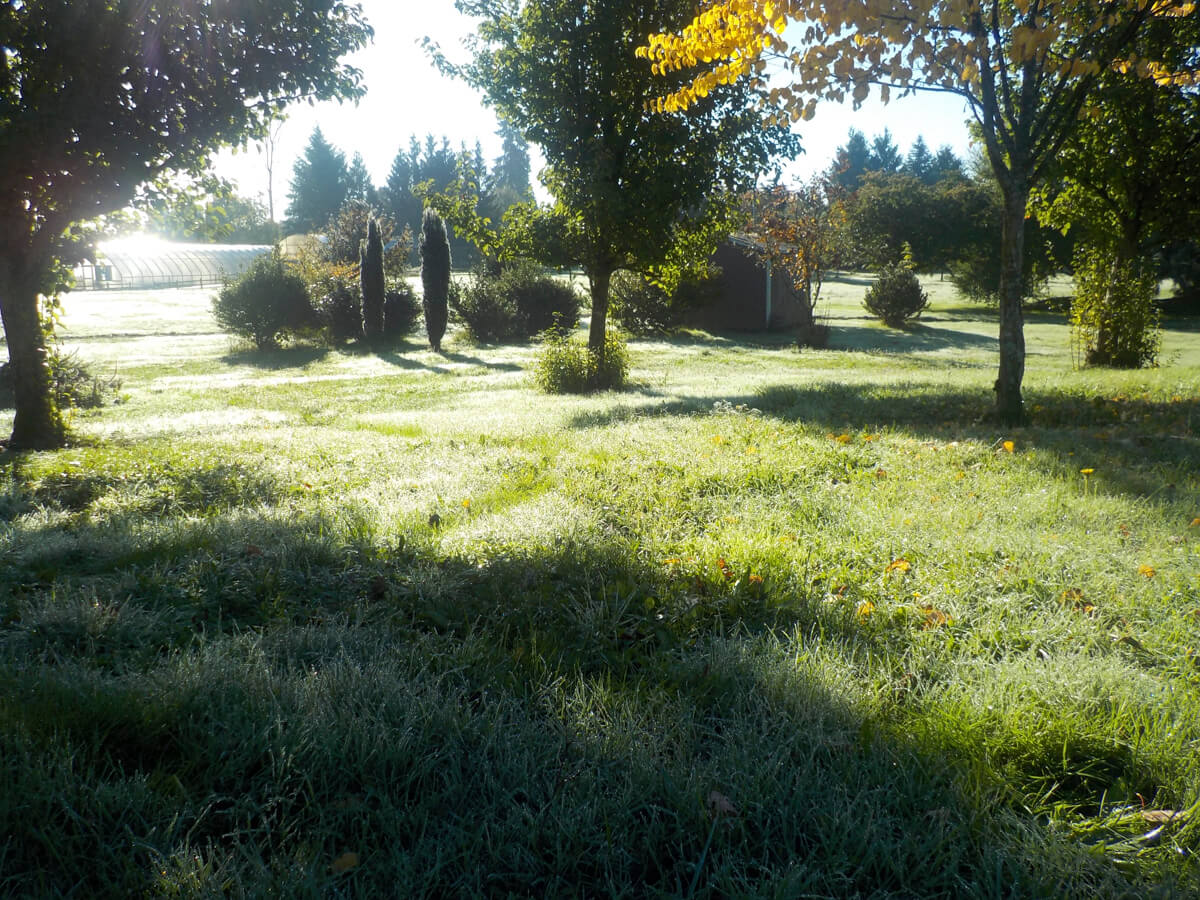
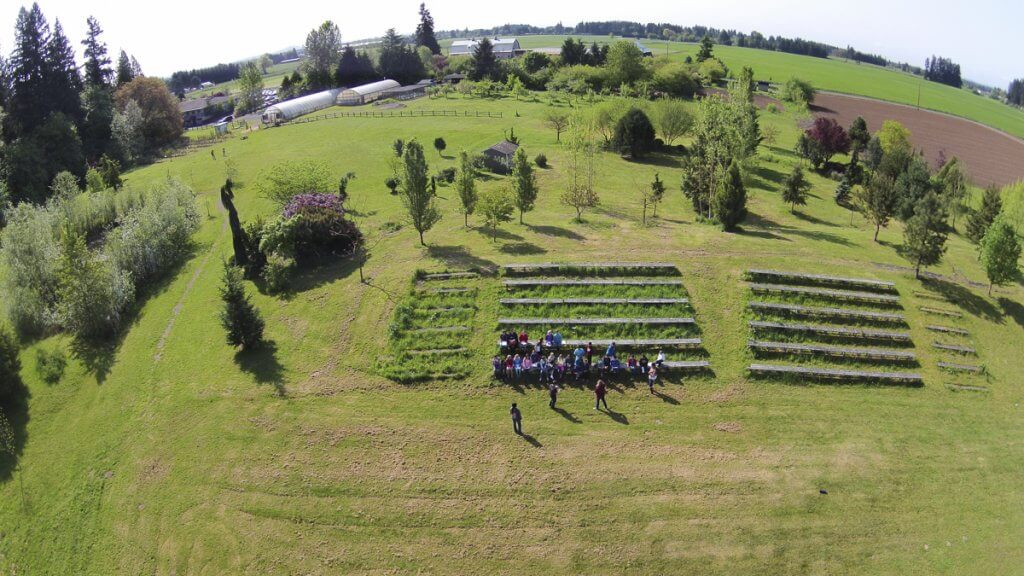
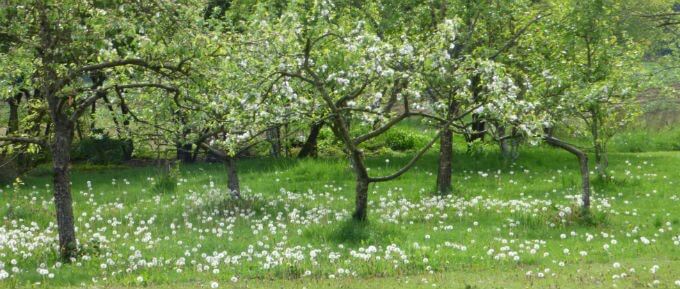
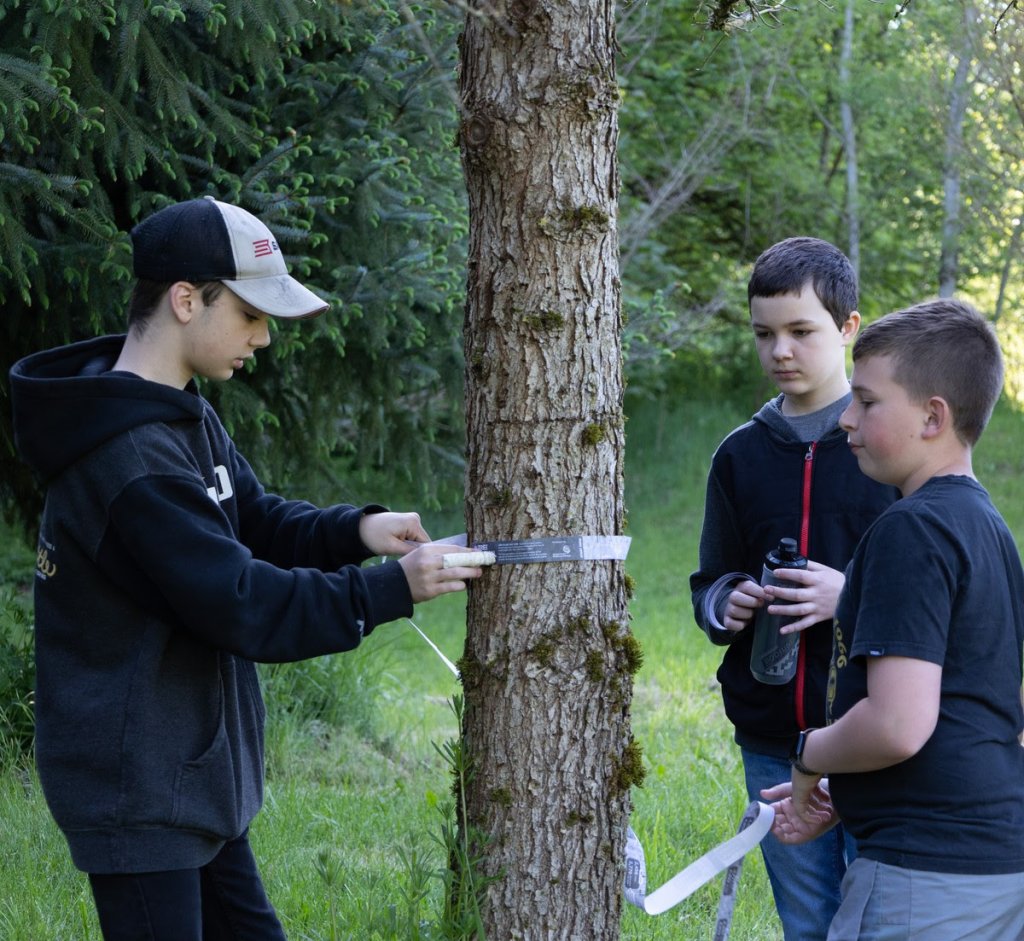
The CASEE Arboretum is a collection of both native and cultivated trees established to allow students to see living examples of the trees they will not see in the forest.
CASEE Gardens
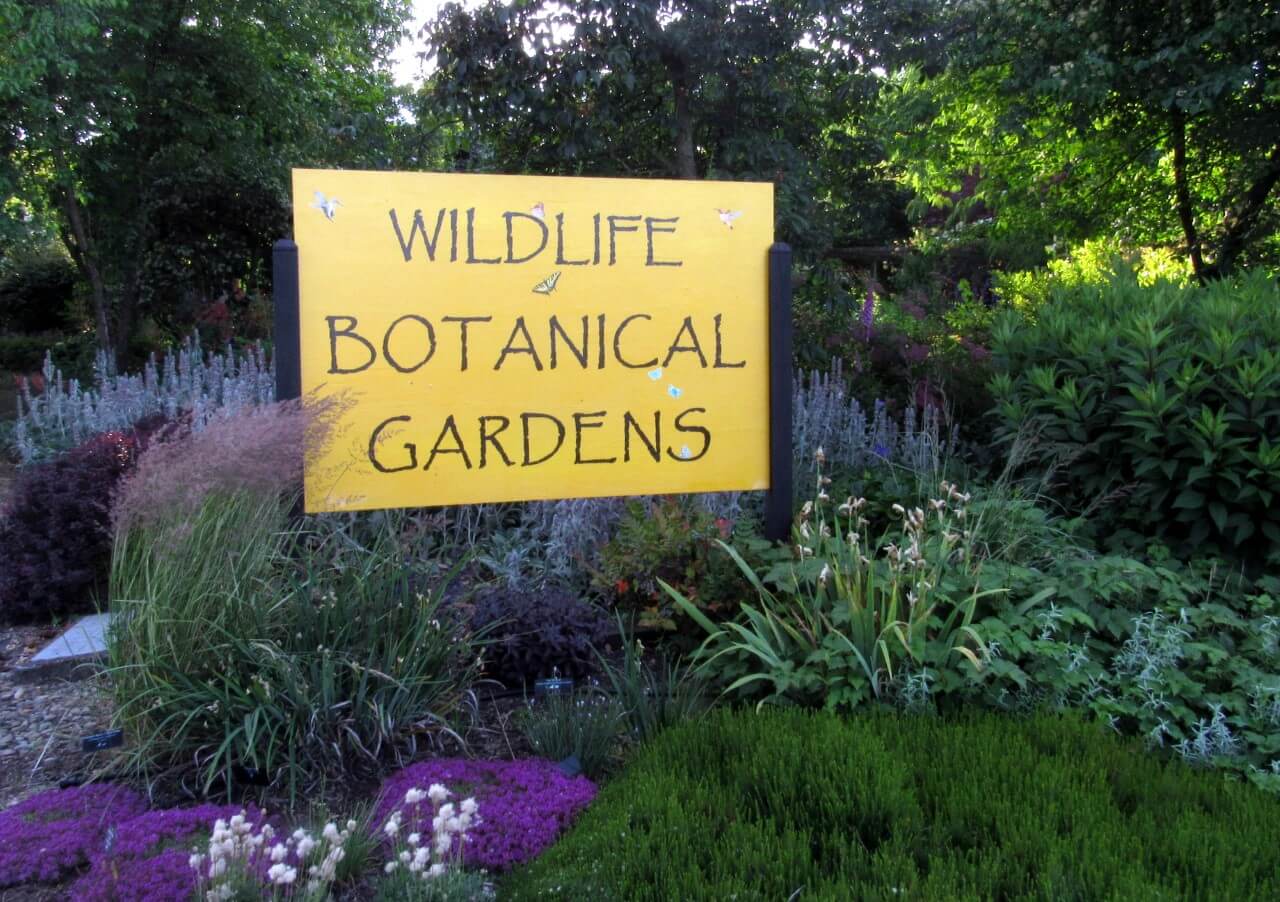
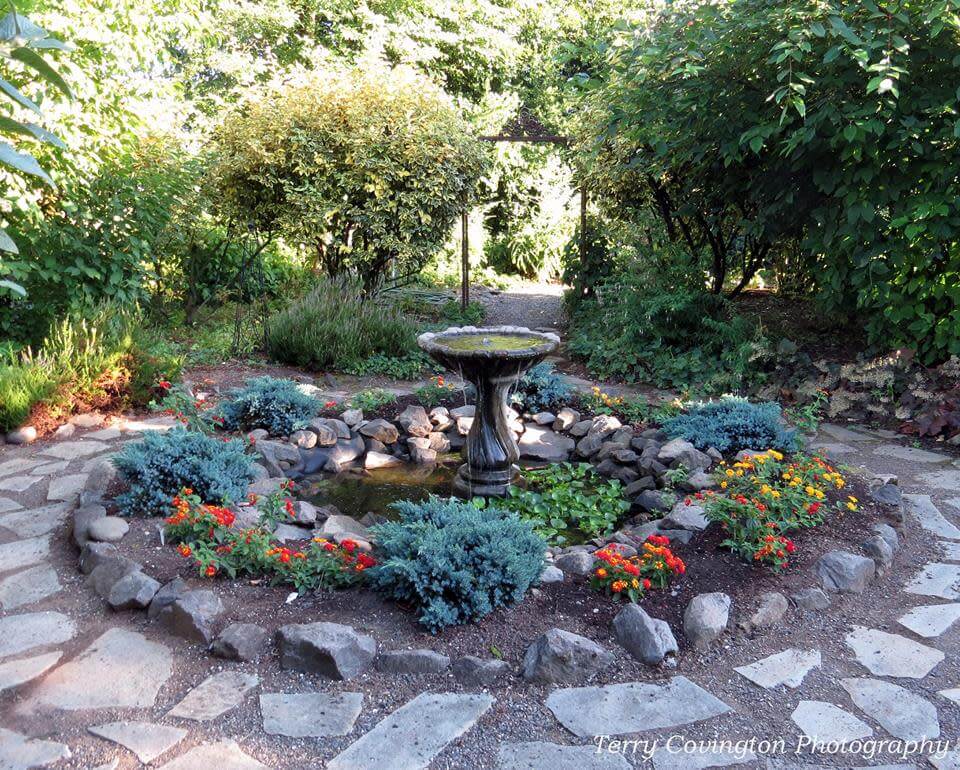
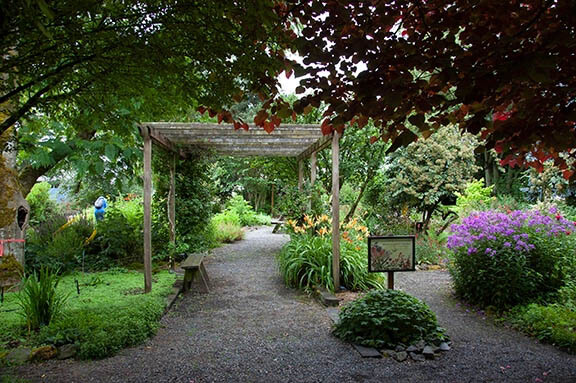
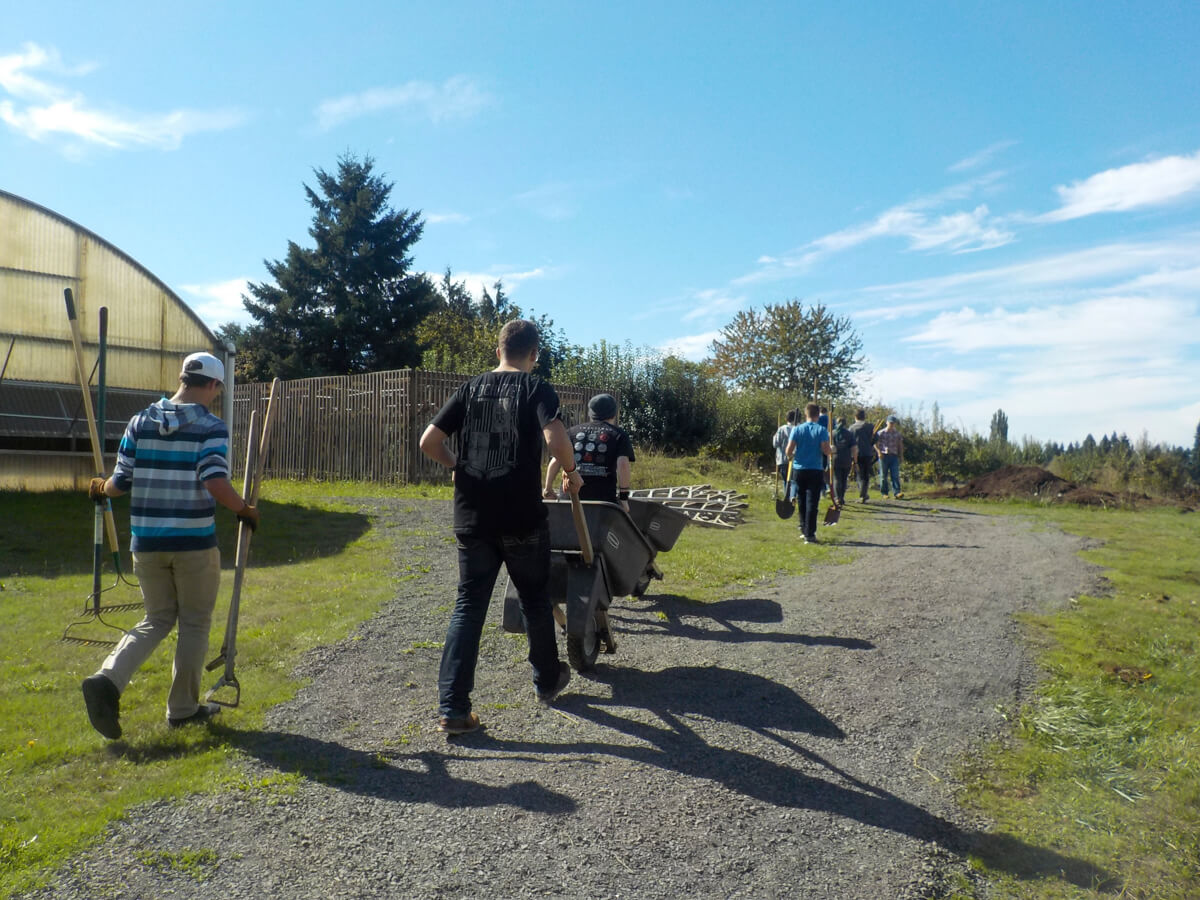
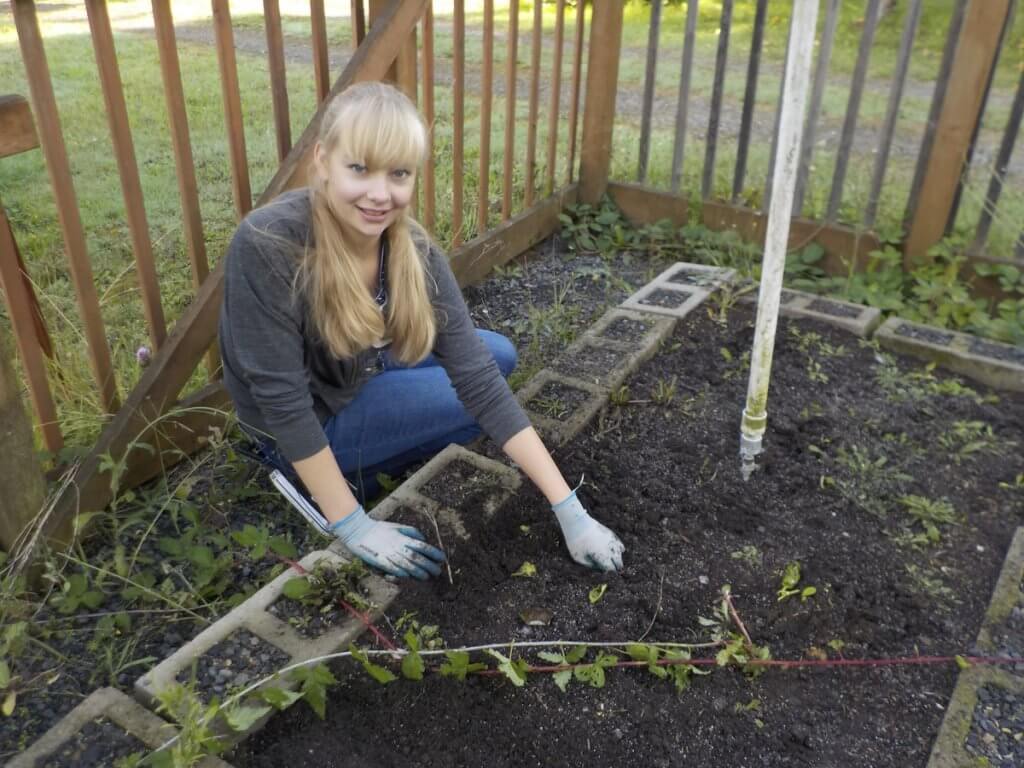
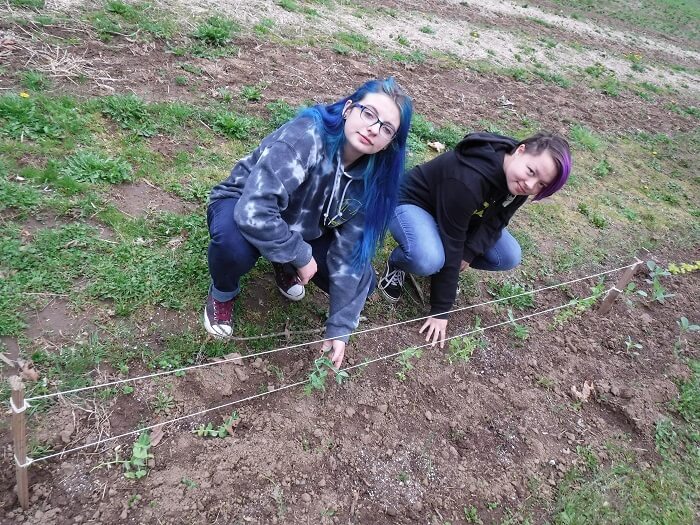
The inspiration for CASEE came from a science teacher and an agriculture teacher asking why are we teaching these subjects separately. The concept has expanded to integrating physics and engineering curriculum and the current pairing of microbiology and biotechnology but CASEE’s roots will always be in agriculture. The campus includes a large two acre garden where students grow a variety of heirloom and modern vegetables. There is a smaller garden near the greenhouse for temporary storage of bare root plants and experimental plots. Our partners, the NatureScaping of SW WA, maintain several ornamental gardens designed to be both beautiful and beneficial to wildlife.
Students harvesting corn from the two acre organic garden on the east side of the campus